
Gold Purity: The Complete Gold Karat Chart & Guide (10K, 14K, 18K, 22K, 24K Gold Explained)
Gold, with its stunning glow and timeless allure, remains one of the most cherished jewellery materials in the world. Yet beneath its shimmering appeal lies a critical factor that determines its worth, durability, and suitability for different purposes: purity.
Understanding gold purity goes far beyond simply admiring the metal—it requires knowledge of the gold karat scale, how different karats affect colour and durability, and which purity level best suits your lifestyle. Whether you're searching for the perfect engagement ring, investing in heirloom pieces, or selecting everyday jewellery that will last for generations, this comprehensive gold purity guide will help you make an informed decision.
In this guide, we'll explain everything you need to know about gold karats, provide detailed gold purity charts, compare different karats of gold, and help you understand what karat gold is best for everyday use. We'll also explore regional preferences—from Dubai's love for high-karat gold to Western markets' preference for durability—so you can choose wisely no matter where you are.

What is a Karat in Gold?
A karat is the universal measurement unit for gold purity, indicating how much pure gold is present in an alloy compared to other metals. Think of it as gold's quality score on a scale of 24.
The gold karat scale works on a simple principle: 24 karat (24K) represents pure gold, meaning all 24 parts are gold. When gold is alloyed with other metals for strength and durability, the karat number decreases proportionally. For example, 18K gold contains 18 parts gold and 6 parts other metals.
The Karat Formula:
Karat ÷ 24 × 100 = Gold Percentage
Example: 18K ÷ 24 × 100 = 75% pure gold
Karat vs. Carat: Understanding the Difference
One of the most common points of confusion in jewellery is the difference between karat and carat. Though they sound identical, they measure completely different things.
|
Term |
Abbreviation |
What It Measures |
Example |
|
Karat |
K or kt |
Gold purity (parts per 24) |
18K gold = 75% pure gold |
|
Carat |
ct |
Gemstone weight (1 carat = 0.2 grams) |
1.5ct diamond = 0.3 grams |
Simple way to remember: Karat with a "K" is for gold purity. Carat with a "C" is for gemstone weight.
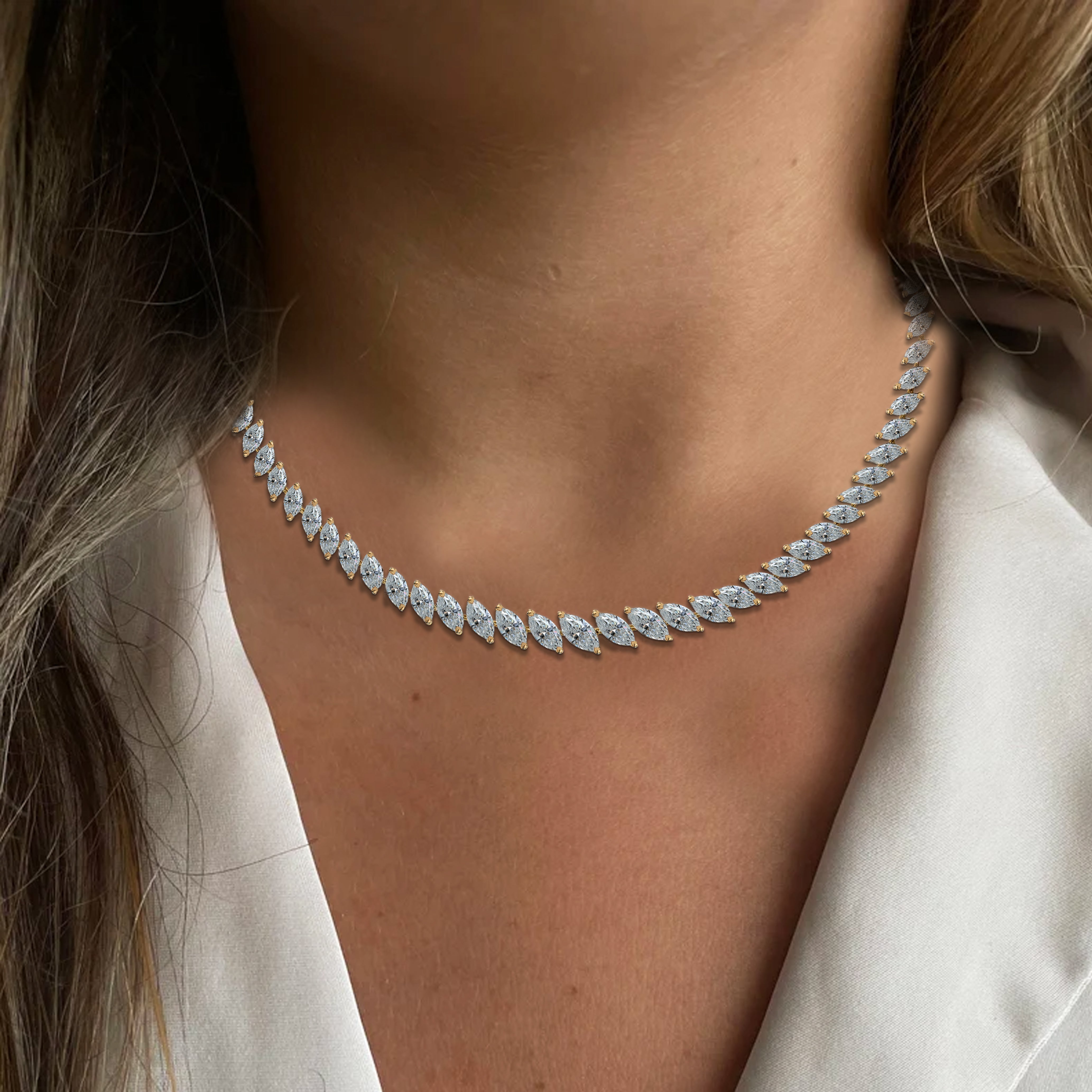
At Fyne, our jewellery combines responsibly sourced 18K gold with high-calibre lab-grown diamonds measured in carats—giving you the best of both worlds: pure, durable gold and stunning, ethical stones.
Understanding the Gold Karat Scale
The gold karat scale is a 24-point system that has been used for centuries to communicate gold purity. This standardised system allows buyers worldwide to understand exactly what they're purchasing, regardless of where the gold was crafted.
Here's how the most common karats compare:
|
Karat |
Gold Percentage |
Fineness |
Other Metals |
|
24K |
99.9% |
999 |
0.1% |
|
22K |
91.6% |
916 |
8.4% |
|
18K |
75% |
750 |
25% |
|
14K |
58.3% |
585 |
41.7% |
|
10K |
41.7% |
417 |
58.3% |
The "fineness" number you see stamped on jewellery (like 750 or 585) represents parts per thousand of pure gold. This hallmarking system is used internationally and provides another way to verify gold purity.
Different Karats of Gold Explained
Each karat level offers unique characteristics that make it suitable for different purposes. Understanding these differences helps you choose the best gold karat for your specific needs.
24K Gold – Pure Gold (99.9%)
24-karat gold represents the highest grade of gold available—essentially pure gold with only trace amounts of other elements. This is how many karats pure gold contains, and it's the benchmark against which all other karats are measured.
Characteristics:
- Colour: Deep, rich yellow-orange—the most vibrant gold colour
- Durability: Very soft and malleable; scratches and dents easily
- Best for: Investment pieces, gold bars, coins, ceremonial jewellery, collectibles
Pros:
- Highest intrinsic value
- Will never tarnish (pure gold doesn't react with oxygen)
- Hypoallergenic—ideal for sensitive skin
- Best resale value
Cons:
- Too soft for everyday jewellery
- Prone to scratching, bending, and warping
- Most expensive option
- Limited design possibilities due to softness
Regional Note: In the UAE and Middle East, 24K gold is popular for investment purposes and special ceremonial pieces. Dubai's strict regulations ensure all 24K gold sold meets the 999 fineness standard.
22K Gold – Traditional Luxury (91.6%)
22K gold strikes a balance between high purity and slightly improved durability. It contains 91.6% pure gold (hence the 916 hallmark) mixed with 8.4% alloy metals.
Characteristics:
- Colour: Rich, warm yellow—nearly as vibrant as 24K
- Durability: Soft but slightly more resilient than 24K
- Best for: Traditional jewellery, special occasion pieces, South Asian and Middle Eastern designs
Pros:
- Beautiful deep yellow colour
- High intrinsic value
- Cultural significance in many regions
- Still relatively hypoallergenic
Cons:
- Not ideal for daily wear items like rings
- Can still scratch and deform
- Higher price point
- Limited suitability for intricate, delicate designs
Regional Note: 22K gold dominates the Indian jewellery market and is highly valued across the Middle East. In Dubai, 22K (916) gold is the most popular choice for traditional and bridal jewellery.
18K Gold – The Luxury Sweet Spot (75%)
18K gold is widely considered the perfect balance between purity and practicality—the "sweet spot" on the gold karat scale. With 75% pure gold content, it offers a rich, warm colour while being durable enough for daily wear.
Characteristics:
- Colour: Warm, lustrous yellow—noticeably richer than 14K
- Durability: Excellent balance of beauty and strength
- Best for: Fine jewellery, engagement rings, wedding bands, everyday luxury pieces
Pros:
- Beautiful, rich gold colour
- Durable enough for daily wear
- Holds significant intrinsic value
- Lower allergy risk than lower karats
- Ideal for settings with precious gemstones
Cons:
- More expensive than 14K
- Softer than 14K (requires more care)
- May show wear over many years of heavy use
Why Fyne Chooses 18K Gold:
At Fyne, we exclusively use 18K gold for all our jewellery. This conscious choice reflects our commitment to creating pieces that are both beautiful and practical. Our 18K solid gold (never plated or vermeil) offers durability for everyday wear, low risk for skin allergies, and timeless value that can be endlessly reinvented and recycled.
Regional Note: 18K gold is the most popular choice in the Middle East for daily wear and engagement rings. In Europe and upscale Western markets, 18K is the standard for luxury jewellery.
14K Gold – Everyday Durability (58.3%)
14K gold contains 58.3% pure gold and is the most popular choice for jewellery in the United States and many Western markets. It offers excellent durability at a more accessible price point.
Characteristics:
- Colour: Soft, subtle yellow—lighter than 18K
- Durability: Very strong and scratch-resistant
- Best for: Daily wear jewellery, active lifestyles, budget-conscious buyers
Pros:
- Most durable common karat
- More affordable than higher karats
- Excellent for rings and bracelets that see heavy wear
- Wide availability and design options
Cons:
- Less rich gold colour
- Lower intrinsic value
- Higher alloy content may cause reactions in sensitive skin
- Some people find the colour less luxurious
Important Note: Despite having "less gold," 14K is not "cheap" or lower quality—it's simply optimised for durability. For those with active lifestyles or occupations involving manual work, 14K can actually be the smarter choice.
10K Gold – Maximum Durability (41.7%)
10K gold is the minimum karat that can legally be sold as "gold" in the United States. With only 41.7% gold content, it's the most durable and affordable option.
Characteristics:
- Colour: Pale yellow—noticeably lighter than higher karats
- Durability: Extremely hard and scratch-resistant
- Best for: Budget jewellery, children's jewellery, pieces requiring maximum durability
Pros:
- Most affordable gold option
- Extremely durable
- Highly resistant to scratching and bending
Cons:
- Pale colour lacks the warmth of higher karats
- Lowest intrinsic value
- Higher risk of skin reactions due to alloy content
- May tarnish more easily than higher karats
- Not considered "fine jewellery" in many markets
Complete Gold Purity Chart
This comprehensive gold karat chart provides all the essential information you need to compare different gold purities at a glance:
|
Karat |
Gold % |
Fineness |
Durability |
Colour Tone |
Common Uses |
Price Range |
|
24K |
99.9% |
999 |
Very Soft |
Deep Yellow-Orange |
Investment, ceremonial |
$$$$$ |
|
22K |
91.6% |
916 |
Soft |
Rich Yellow |
Traditional, bridal |
$$$$ |
|
18K |
75% |
750 |
Balanced |
Warm Yellow |
Fine jewellery, daily luxury |
$$$ |
|
14K |
58.3% |
585 |
Durable |
Soft Yellow |
Everyday wear, engagement |
$$ |
|
10K |
41.7% |
417 |
Very Durable |
Pale Yellow |
Budget jewellery |
$ |
Why 18K Gold is the Ideal Choice for Fine Jewellery
When it comes to finding the best karat gold for jewellery that you'll wear and cherish, 18K consistently emerges as the optimal choice. Here's why:
The Perfect Balance:
-
75% pure gold provides a rich, warm colour that's noticeably more luxurious than lower karats
-
25% alloy metals add enough strength for daily wear without compromising beauty
-
Excellent value retention makes it both a joy to wear and a sound investment
Durability Meets Luxury: Unlike 22K or 24K gold, 18K can withstand the demands of everyday life. Unlike 14K or 10K, it maintains that coveted deep gold colour that makes jewellery feel truly special.
This is precisely why Fyne Jewellery uses exclusively 18K gold. As a brand consciously crafted in Dubai, we understand that modern women want jewellery that's beautiful, durable, and responsible. Our solid 18K gold pieces are designed to be worn daily, passed down through generations, and even reimagined through our upcycling services.
Regional Preference: 18K gold is the most popular choice in the Middle East for engagement rings and daily wear jewellery—a testament to the region's appreciation for both quality and practicality.

Gold Karat Colour Chart: How Purity Affects Appearance
One of the most noticeable differences between gold karats is colour. Understanding the gold karat colour chart helps you choose jewellery that matches your aesthetic preferences.
Yellow Gold Colour by Karat
|
Karat |
Colour Description |
Visual Appearance |
|
24K |
Deep, rich yellow-orange |
Almost buttery, intense warmth |
|
22K |
Rich, warm yellow |
Classic "gold" colour |
|
18K |
Warm, lustrous yellow |
Luxurious with subtle softness |
|
14K |
Soft, lighter yellow |
Pleasant but noticeably paler |
|
10K |
Pale, muted yellow |
Can appear slightly greenish |
Why the colour difference? Pure gold has a naturally deep yellow colour. As alloy metals are added, they dilute this colour. The specific alloys used also affect the final hue—copper adds warmth, while silver or zinc can create cooler tones.
Gold Colours: Yellow, White, and Rose Gold Explained
Gold colour isn't just determined by karat—it's also influenced by which metals are alloyed with the gold. This is how jewellers create the beautiful variety of gold colours available today.
Yellow Gold
Yellow gold is the classic choice, closest to gold's natural colour. It's created by alloying pure gold with metals that maintain its warm hue.
Typical Alloy Composition: Gold + Copper + Silver
White Gold
White gold offers a sleek, contemporary alternative to yellow gold. It's created by alloying gold with white metals, then typically finished with rhodium plating for extra brightness.
Typical Alloy Composition: Gold + Palladium, Nickel, or Platinum + Rhodium plating
Rose Gold
Rose gold has surged in popularity for its romantic, vintage-inspired appearance. The beautiful pink hue comes from a higher proportion of copper in the alloy.
Typical Alloy Composition: Gold + Higher percentage of Copper + Silver
What Alloys Are Mixed with Gold?
Pure gold is too soft for most jewellery applications, so it's alloyed with other metals to improve durability, strength, and colour. Here are the most commonly used alloying metals:
-
Copper – Adds strength and hardness to the gold while creating warm, reddish hues. This is the key ingredient that gives rose gold its romantic pink glow.
-
Silver – Improves workability and lightens the yellow tone while maintaining a degree of softness. Often used in yellow and green gold alloys.
-
Zinc – Enhances malleability and helps achieve proper colour balance. Commonly used in small amounts across various gold alloys.
-
Nickel – Increases hardness significantly and is traditionally used to create white gold. However, nickel is a common allergen and may cause skin reactions in sensitive individuals.
-
Palladium – A premium alternative for creating white gold without the allergy concerns of nickel. It's hypoallergenic and produces a naturally whiter finish.
-
Platinum – The most premium white gold alloy option. It's hypoallergenic, extremely durable, and creates high-quality white gold that requires less rhodium plating.
Gold Purity vs. Durability vs. Price
Understanding the relationship between purity, durability, and price helps you make the best choice for your needs:
|
Factor |
Higher Karat (22K-24K) |
Lower Karat (10K-14K) |
Sweet Spot (18K) |
|
Purity |
Higher gold content |
Lower gold content |
Balanced |
|
Durability |
Softer, scratches easily |
Harder, more resistant |
Good durability |
|
Colour |
Rich, deep yellow |
Paler yellow |
Warm, lustrous |
|
Price |
Most expensive |
More affordable |
Mid-to-high range |
|
Allergies |
Most hypoallergenic |
Higher allergy risk |
Low allergy risk |
|
Tarnishing |
Won't tarnish |
May tarnish over time |
Resistant |
|
Resale Value |
Highest |
Lower |
Good value retention |
The Key Insight: It's never the gold itself that tarnishes—it's the alloyed metals. This is why 24K gold never tarnishes while lower karats might develop slight discolouration over time.
How to Choose the Right Gold Karat
Selecting the best karat gold depends on your intended use, lifestyle, and personal preferences. Use this guide to match your needs with the ideal purity level:
Best Karat by Jewellery Type
Selecting the right gold karat depends largely on how and where you'll wear the piece. Here's a guide to matching jewellery types with their ideal purity levels:
-
Engagement Rings (18K or 14K) – These rings are worn daily for a lifetime, so they need the perfect balance of beauty and durability. 18K offers a richer colour while 14K provides extra scratch resistance for active lifestyles.
-
Wedding Bands (18K or 14K) – Like engagement rings, wedding bands must withstand constant wear. Both karats offer excellent longevity, with 18K being the preferred choice in the Middle East and luxury markets.
-
Everyday Earrings (18K) – Earrings experience less physical stress than rings or bracelets, making 18K ideal. You get the rich, warm gold colour without sacrificing durability.
-
Statement Necklaces (18K or 22K) – Necklaces showcase gold's beauty prominently and face minimal wear exposure, allowing you to choose higher karats for maximum visual impact.
-
Delicate Pendants (18K) – The sweet spot for pendants—durable enough for daily wear while maintaining an elegant, luxurious appearance that catches the light beautifully.
-
Bracelets (14K or 18K) – Bracelets experience frequent contact with surfaces throughout the day, so durability matters. 14K offers maximum resilience, while 18K balances beauty with practicality.
-
Investment Pieces (24K or 22K) – When gold is primarily for value retention rather than daily wear, opt for maximum gold content. These pieces are best stored safely or worn only on special occasions.
-
Bridal Sets (22K or 18K) – Traditional bridal jewellery benefits from the rich, deep colour of higher karats. 22K is culturally preferred in South Asian and Middle Eastern weddings, while 18K suits those wanting more durability.
-
Children's Jewellery (14K) – Kids are active and rough on their belongings. 14K's superior durability withstands the demands of play while still providing genuine gold quality.
Best Karat by Lifestyle
Your daily activities should guide your gold karat choice:
-
Active/Sports (14K) – Most scratch and impact-resistant, standing up to workouts and outdoor activities without showing wear.
-
Office Professional (18K) – Elegant appearance that handles daily activities like typing and commuting while maintaining a polished look.
-
Special Occasions Only (22K or 24K) – Maximum beauty for weddings and celebrations when durability is less of a concern.
-
Healthcare Workers (14K) – Withstands frequent handwashing and sanitising without deteriorating.
-
Luxury Everyday (18K) – The perfect balance of durability and elegance for daily wear—precisely why Fyne exclusively uses 18K gold.
Dubai's Gold Standards
Dubai maintains some of the world's strictest gold purity regulations. The Dubai Central Laboratory, operating under the Dubai Municipality, rigorously tests and certifies all gold sold in the emirate. This stringent regulatory framework has earned Dubai its reputation as one of the most trustworthy gold markets globally.
Every piece of gold jewellery sold in Dubai must carry a verified hallmark, and vendors face severe penalties for misrepresentation. This is why buyers from around the world trust Dubai as a premier gold shopping destination.
How to Check Gold Purity
Ensuring your gold is genuine and accurately represented is essential. Here are the most reliable methods:
Check the Hallmark
Look for stamps indicating karat (14K, 18K) or fineness (585, 750). These are typically found:
- Inside ring bands
- On necklace clasps
- On the back of pendants and earrings
- On bracelet clasps
Professional Testing Methods
When hallmarks aren't enough or you need verification, these professional methods accurately determine gold purity:
-
XRF Testing – Uses X-ray fluorescence to measure the exact composition of metals. Very high accuracy and non-destructive, making it the preferred method for most jewellers.
-
Acid Testing – Applies chemical solutions that react differently based on gold purity. High accuracy and widely used, though it may leave a tiny mark on the piece.
-
Density Testing – Measures specific gravity by comparing weight in air versus water. Moderate accuracy; best used alongside other methods.
-
Electronic Testing – Measures electrical conductivity to determine gold content. High accuracy and quick results without damaging the piece.
Simple At-Home Checks
-
Magnet Test: Real gold is not magnetic. If your piece is attracted to a magnet, it's not solid gold.
-
Visual Inspection: Look for discolouration, green marks on skin, or wearing at edges (signs of plating).
-
Hallmark Verification: Check that stamps are clear and properly applied.
Best Practice: Always purchase from reputable jewellers who provide certification. At Fyne, all our pieces come with full documentation of our 18K gold and lab-grown diamond specifications.
Gold Purity and Skin Sensitivity
If you have sensitive skin, gold purity matters significantly. The simple rule: higher karat equals more hypoallergenic.
-
24K (Very Low Risk) – Almost no alloy metals means virtually no chance of skin reactions. Ideal for those with severe sensitivities.
-
22K (Low Risk) – Minimal alloy content keeps irritation risk low while offering slightly more durability than pure gold.
-
18K (Low Risk) – Balanced composition with 75% gold. Quality pieces are usually nickel-free, making this an excellent choice for sensitive skin.
-
14K (Moderate Risk) – Higher alloy content may include nickel, which is a common allergen. Ask about specific alloy composition before purchasing.
-
10K (Higher Risk) – Significant alloy content often contains nickel and other metals that frequently trigger skin reactions.
Tips for Sensitive Skin
- Choose 18K or higher for pieces worn constantly
- Ask about nickel content—many reactions are specifically to nickel
- Opt for palladium-based white gold instead of nickel-based
- Consider platinum settings for the most hypoallergenic option
- Avoid gold-plated jewellery which can expose base metals as plating wears
At Fyne, our 18K solid gold is designed with sensitive skin in mind. We never use plating or vermeil, which can wear away and expose potentially irritating base metals.
Common Myths About Gold Karats
Let's address some widespread misconceptions:
Myth 1: "Higher karat always means better quality"
Truth: Higher karat means more gold content, not necessarily "better." Quality depends on your intended use. For daily wear jewellery, 14K or 18K is often superior because of durability. 24K gold would be poor quality for an engagement ring because it would scratch and deform quickly.
Myth 2: "14K gold is cheap"
Truth: There's nothing "cheap" about 14K gold. It's strong, reliable, and contains genuine precious metal. Many world-renowned jewellery pieces are crafted in 14K. The lower price reflects less gold content, not inferior quality.
Myth 3: "White gold is naturally white"
Truth: White gold is actually yellow gold alloyed with white metals. It typically has a slight yellowish or greyish tint and requires rhodium plating for that bright, silvery appearance. The plating wears off over time and needs periodic reapplication.
Myth 4: "Gold colour indicates purity"
Truth: Gold colour depends on alloy composition, not just purity. Rose gold and white gold can be the same karat as yellow gold—they simply contain different alloying metals.
Myth 5: "All 18K gold is the same"
Truth: The specific alloys used in 18K gold vary between jewellers. Quality 18K gold uses superior alloy metals like palladium or platinum, while lower-quality versions might use nickel or other less desirable metals. The alloying metals significantly affect durability, colour, and hypoallergenic properties.
What is the Difference Between UAE Gold and Indian Gold?
Both the UAE and India sell authentic, genuine gold—the differences lie in regulations, pricing, craftsmanship, and overall value for buyers.
Purity Standards: The UAE maintains some of the world's strictest gold purity standards. The Dubai Central Laboratory tests and certifies all gold sold in the country, and every piece must carry a verified hallmark. Vendors face severe penalties for misrepresentation, earning Dubai its reputation as one of the most trustworthy gold markets globally. India has improved its standards through mandatory BIS hallmarking since 2021, though enforcement remains inconsistent across regions, with some smaller jewellers still selling non-hallmarked pieces.
Popular Karats: Dubai offers excellent variety with 22K, 24K, and 21K gold readily available, catering to both jewellery buyers and investors seeking pure gold. India's market focuses predominantly on 22K gold, with 24K typically limited to coins and bars rather than jewellery.
Making Charges: This is where Dubai shines. Making charges in the UAE typically range from 5-15%, thanks to high competition and efficient manufacturing. Indian making charges run higher at 8-25%, reflecting labor-intensive traditional craftsmanship. For buyers prioritizing gold value over elaborate ornamentation, Dubai offers significantly better pricing.
Taxation: Dubai's tax structure provides a clear advantage. Investment gold (99%+ purity) carries zero VAT, while jewellery incurs just 5% VAT on making charges only—not the gold value. Indian buyers face 3% GST on total gold value plus approximately 15% import duties, adding substantially to purchase costs. Overall, Dubai typically offers 10-25% savings compared to Indian prices.
Design Styles: Dubai's cosmopolitan market offers everything from contemporary Western designs to traditional Arabic, Indian, and Asian styles. India excels in culturally specific, intricate designs like Kundan, Meenakari, and temple jewellery—beautiful for traditional occasions but often less versatile for everyday or international wear.
Buyback Policies: Both markets offer buyback options. Dubai jewellers typically buy back at market rate minus 10-20%, with transparent daily pricing. Indian jewellers often promote lifetime exchange programs, though these lock you into specific retailers and don't recover the original tax burden.
For most buyers seeking maximum value, purity assurance, and diverse selection, Dubai remains the preferred gold shopping destination worldwide.
Why is Gold Cheap in Dubai?
Dubai has earned its reputation as the "City of Gold" not only for its dazzling gold souks and modern jewellery boutiques but also for offering some of the most competitive gold prices in the world. Visitors and residents alike can purchase gold at rates significantly lower than in most other countries—often saving 10-25% compared to prices in Europe, the United States, or even neighboring regions. Understanding why Dubai offers such attractive gold pricing requires examining several interconnected factors.
Tax-Free Pricing: The UAE's favorable tax structure is the biggest factor. Investment gold (99%+ purity bars and coins) is completely exempt from VAT, allowing buyers to purchase 24K gold at pure market rates. For jewellery, just 5% VAT applies to making charges only—not the gold value itself. Combined with no income or capital gains taxes, dealers face lower overhead costs that translate to better consumer prices.
Minimal Import Duties: While countries like India charge 15% or more in import duties, Dubai maintains minimal duties on gold. Since the UAE doesn't produce gold domestically, every gram is imported—low duties mean gold enters at near-international market rates without substantial government markups.
Fierce Market Competition: The Gold Souk in Deira alone houses over 300 retailers, with thousands more across Dubai's malls and neighborhoods. This intense competition, combined with easy price comparison, forces vendors to operate on slim margins. High sales volume allows merchants to profit even with lower per-item markups.
Government Regulation: Dubai publishes official daily gold rates based on international prices, ensuring consistent baseline pricing across all retailers. The Dubai Central Laboratory certifies all gold sold, guaranteeing purity claims are accurate. Merchants face severe penalties—including license revocation—for selling misrepresented gold or manipulating prices.
Strategic Trade Hub: Situated between Europe, Asia, and Africa, Dubai hosts major gold refineries and trading houses, creating an efficient supply chain from wholesale to retail. Millions of annual tourists and transit passengers sustain high sales volumes year-round.
Economies of Scale: Large retailers purchase directly from refineries in bulk, securing better rates than smaller international competitors. Many operate their own manufacturing facilities, cutting out middlemen and achieving production efficiencies that smaller operations cannot match.
FAQs
Is higher karat gold better?
To put it simply, no. While 24-karat gold is the purest form of gold available, it doesn’t necessarily have a higher quality. Though there’s more gold, it’s not as strong as lower karats as it’s not alloyed with any metals.
Which is better: 14K or 18K gold? What is the difference between 14K or 18K gold?
14K is better for durability and affordability; 18K is better for a richer color and higher prestige. Choose based on your lifestyle and budget.
Which is better, 18k gold or 24k gold? What is the difference between 14K and 24K gold?
18k gold offers a balance of beauty and durability, with 75% gold content and the rest alloyed metals, making it ideal for everyday wear. In contrast, 24k gold, though pure and radiant, is softer and more prone to scratching, making it less suitable for daily use. For this reason, we choose to use only 18k solid gold in our jewellery.
Is 22K or 24K gold better? What is the difference between 22K or 24K gold?
22K gold is often preferred for jewellery because it's nearly as pure as 24K but slightly more durable due to the small amount of alloy. 24K is better for investment purposes or ceremonial jewellery.
What do the stamps on gold jewellery mean?
Most gold jewellery pieces are stamped with a ‘hallmark’ as a purity reference. Authentic gold has this stamp to indicate its karat and gold content. The marks come in several different formats per gold rating. For example, on our 18-karat gold pieces, you’ll see it marked with 750, meaning it’s made up of 75% gold (the rest is other mixed metals).
How can I tell what karat my gold is?
Look for a hallmark stamp on the jewellery. Common stamps include: 999 or 24K (pure gold), 916 or 22K, 750 or 18K, 585 or 14K, and 417 or 10K. You can also have it tested by a jeweller using acid testing or electronic testing methods.
What is the number code for 14K gold?
14K gold is stamped as "585" (meaning 58.5% pure gold) or "14K" or "14kt."
What is the number code for 18K gold?
18K gold is stamped as "750" (meaning 75% pure gold) or "18K" or "18kt."
What is the number code for 24K gold?
24K gold is stamped as "999" or "24K," indicating 99.9% pure gold.
How can you tell if gold is real?
The mark on your jewellery piece should tell you if the gold is real. This can usually be found on the clasp (necklace or bracelet) or the inner band (ring). Although some hallmarks, like EPNS (electroplated nickel silver), EPBM (electroplated Britannia metal), and GF (gold filled), give away that a piece is not real gold but gold plated. To test if your piece is real gold, you can drop your gold item into the water and see if it sinks. If it floats, it’s likely to be fake.
What does karat mean in gold?
Karat (K or kt) is a unit of measurement that indicates the purity of gold. It represents the proportion of pure gold in an alloy out of 24 parts. The higher the karat number, the more pure gold the piece contains.
What is the difference between ‘karat’ and ‘carat’?
Karat is used as a measurement of gold purity (the higher the karat, the more pure gold). The word Carat, on the other hand, is used to measure the weight of diamonds and precious stones.
How many karats is pure gold?
Pure gold is 24 karats (24K). This means the gold is 99.9% pure with virtually no other metals mixed in.
What color is 100% pure gold?
100% pure gold (24K) has a deep, rich yellow-orange color. It's more saturated and vibrant than lower karat gold, with a warm, buttery appearance.
What are the different karats of gold? What percentage of gold is in each karat?
The most common gold karats are:
-
24K (99.9% pure gold)
-
22K (91.7% pure gold)
-
18K (75% pure gold)
-
14K (58.3% pure gold)
-
10K (41.7% pure gold)
Is 10K gold real gold?
Yes, 10K gold is real gold. It contains 41.7% pure gold and is the minimum karat legally sold as "gold" in the United States. It's durable and affordable.
Is 14K gold real gold?
Yes, 14K gold is real gold. It contains 58.3% pure gold mixed with other metals for durability. It's one of the most popular choices for fine jewellery.
Is 18K gold real gold?
Yes, 18K gold is real gold containing 75% pure gold. It's considered a premium choice that balances purity with practicality.
What type of gold is best to buy for jewellery?
For most people, 14K or 18K gold offers the best combination of beauty, durability, and value. Consider 14K for active lifestyles and daily wear, or 18K for a more luxurious look.
What karat gold is best for everyday wear?
14K gold is generally considered best for everyday wear. It offers a good balance of durability, appearance, and value. The added alloy metals make it more resistant to scratches and dents than higher karat options.
Can I wear 22K gold everyday? It's possible but not ideal.
22K gold is soft and prone to scratching, denting, and warping with daily wear. It's better suited for occasional wear or pieces that don't experience much friction (like earrings or pendants).
What karat gold is best for jewellery?
It depends on your priorities. 14K is ideal for durability and affordability, 18K offers a richer color with reasonable strength, and 22K or 24K provides the most luxurious appearance but requires more careful handling.
What karat gold is best for rings?
14K or 18K gold is recommended for rings, especially engagement and wedding rings, because they're worn daily and need to withstand regular use. 24K gold is too soft for rings that see frequent wear.
What karat gold is best for necklaces?
14K to 18K gold works well for necklaces. If you want a richer gold color and the necklace won't be subjected to heavy wear, 18K or 22K can be excellent choices.
What karat gold is best for earrings?
Since earrings experience less physical stress than rings or bracelets, you can choose higher karats like 18K or 22K for a more vibrant gold color without worrying as much about durability.
What is the highest karat of gold?
24 karat (24K) is the highest and purest form of gold, containing 99.9% pure gold.
What is the most expensive karat gold?
24K gold is the most expensive per gram because it contains the highest percentage of pure gold. However, the overall price of jewellery also depends on craftsmanship and design.
What karat gold doesn't tarnish?
Pure gold (24K) doesn't tarnish because gold itself is non-reactive. However, lower karat gold contains other metals that may tarnish over time. 18K and higher generally resist tarnishing well.
What is the strongest gold karat?
Lower karat gold (10K or 14K) is stronger and more durable because the alloy metals add hardness. 24K gold is the softest and most prone to scratching.
Does 18K scratch easily?
18K gold is moderately scratch-resistant – more prone to scratching than 14K but much more durable than 22K or 24K. With normal care, 18K jewellery holds up well to regular wear.
How does gold color vary by karat?
Higher karat gold has a deeper, more saturated yellow color. As the karat decreases, the color becomes lighter and may have subtle variations depending on the alloy metals used.
Is 24K gold good for jewellery?
24K gold is beautiful but very soft, making it susceptible to scratches and dents. It's better suited for special occasion pieces, collectibles, or investment rather than everyday jewellery.
Which is better, 999 or 916 gold?
999 gold = 24K (99.9% pure) – Better for investment, higher value per gram
916 gold = 22K (91.6% pure) – Better for jewellery, more durable
For jewellery, 916 is more practical. For investment, 999 holds more intrinsic value.
Which gold is better, 585 or 750?
750 - 18K (75% pure) is "better" in terms of purity and richer color. 585 - 14K (58.5% pure) is better for durability and affordability. Choose based on your priorities.
What karat is white gold available in?
White gold is commonly available in 10K, 14K, and 18K. It's created by alloying yellow gold with white metals like palladium, silver, or nickel.
Is there 24K white gold?
No, true 24K white gold doesn't exist because pure gold is naturally yellow. White gold requires alloy metals to achieve its color, so it's always less than 24K.
What gold shines the most?
Higher karat gold (22K-24K) has the most vibrant, warm yellow shine due to its higher pure gold content. However, it may show scratches more easily.
What karat gold is best for wedding rings?
14K or 18K gold is best for wedding rings since they'll be worn daily. These karats offer the right balance of beauty and durability for lifetime wear.
What karat gold is best for engagement rings?
14K or 18K gold is recommended for engagement rings. 14K is more durable and budget-friendly, while 18K offers a richer color for a more luxurious look.